Most articles explain what a laser land leveller is. This one is different. It walks you through what actually happens on the day your field is levelled, from the moment the tractor arrives to the final check, and then answers the questions farmers ask us most often at our Nabha factory.
New to laser levelling? Start with our basic guide, Laser Land Leveller: How It Works, Why It Saves Water, and How to Choose One.
When is the right time to level?
Laser levelling is done on an empty field, in the gap between two crops. In Punjab’s wheat–paddy cycle, that gives you two windows:
The golden rule: the soil should be dry enough to move freely. Wet, sticky soil clumps on the blade, smears instead of flowing, and leaves deep tyre marks that undo your work.
The levelling day, step by step
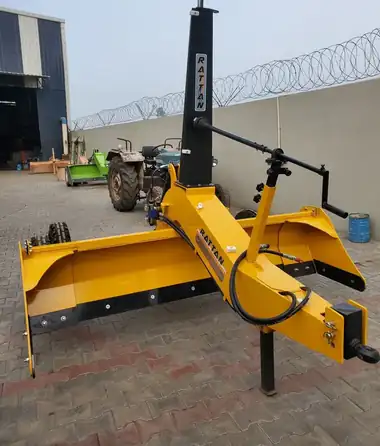
Which parts do the work on the machine?
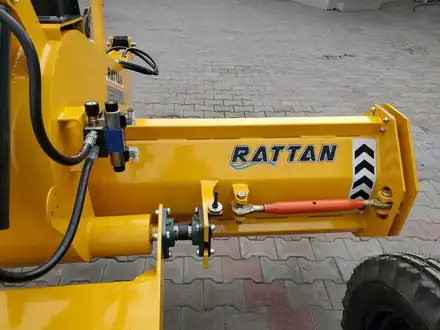
The receiver on the mast reads the laser beam many times a second. When the blade is too high or too low, the control box opens the hydraulic valve, and the single-acting cylinder moves the blade up or down. The driver only has to steer and keep a steady speed. To see each part of the laser kit in detail, read our Alpha Pro Shot laser system article.
Questions farmers ask us
How much water does it really save?
A level field can save up to 30% of irrigation water, because water no longer runs off the high spots and collects in the low ones. Exact savings depend on how uneven your field was to begin with.
What tractor do I need?
A tractor of 50 HP or more, of any brand. The leveller fits the standard drawbar hitch, so no adapter is needed.
Single-wheel or twin-wheel: which one should I buy?
It depends on your tractor power and soil type. Tell us both and we will recommend the right model for you.
How long does one acre take?
It varies with how uneven the field is, the soil condition and the tractor. A field that is only slightly off finishes much faster than one with big high and low patches. Surveying first gives you a good idea of how much soil needs to move.
How often should a field be laser levelled?
Ploughing, puddling and irrigation slowly disturb the level again. It is worth re-checking your field with the laser every few years and touching it up when needed.
Does it work on my soil?
Yes. Rattan levellers work on clay, loam, sandy and black cotton soils, and farmers use them across Punjab, Haryana, UP, Rajasthan and beyond.
Is it hard to operate?
No. The control box sits within reach of the driver. Switch it to AUTO and drive; the blade adjusts itself. No special training is needed.
What happens when the blade wears out?
The Rattan leveller has a replaceable, bolted cutting edge. You change only the edge, not the whole blade, which keeps running costs low.
Is the laser kit included?
Yes. Every Rattan Laser Leveller comes with the Alpha Pro Shot kit: transmitter, MEI Model 367SB receiver and control box, factory-calibrated and ready to work.
How soon does it pay for itself?
With savings on water, pumping, seed and fertiliser, a leveller usually pays for itself within the first two seasons.
Quick checklist before levelling day
- Field is empty, stubble cleared and soil dry enough to move
- Tractor is 50 HP or above, with fuel and hydraulic oil checked
- Transmitter battery charged and tripod in good condition
- Hydraulic hoses and connections checked for leaks
- Cutting edge bolts tight and the edge not badly worn
- A clear idea of where the water enters and leaves the field
Rattan Agro Tech has been building laser land levellers since 2010 at our ISO 9001:2008 certified factory in Nabha, Punjab, and is India’s largest distributor of Alpha laser systems. If you have a question that is not answered here, call or message us.
Planning to level your fields?
Tell us your tractor HP, field size and soil type, and we will recommend the right model and send a quote. ਤੁਸੀਂ ਸਾਡੇ ਨਾਲ ਪੰਜਾਬੀ ਵਿੱਚ ਵੀ ਗੱਲ ਕਰ ਸਕਦੇ ਹੋ।